From medical reality to cinematic storytelling
How a real-world healthcare challenge became an AI-driven short film

Introduction
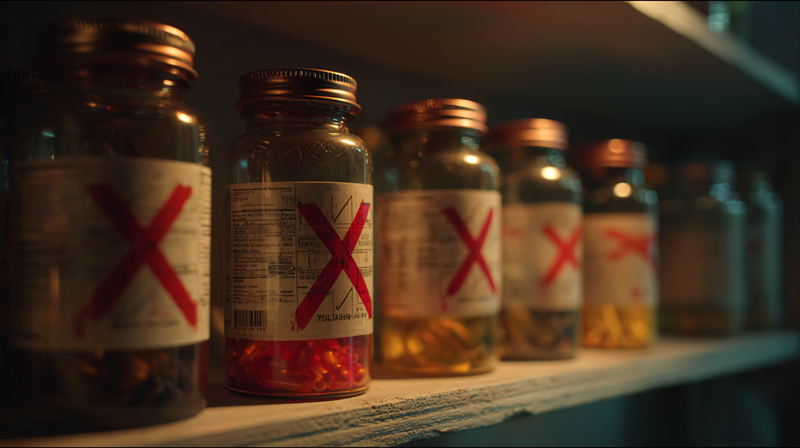
The Superbug Crisis began quietly, not as a concept, but as part of my everyday medical work.
Antimicrobial resistance is often described as a future threat.
In reality, it already shapes the choices we make—
which antibiotics we can use, how confident we feel about treatment, and how much uncertainty we carry when caring for patients.
I didn’t start this project to explain the science.
I started it because I wanted to find a way to express what it feels like to face a problem that keeps growing, even when you are doing everything right.
引言|從醫療現場出發
《抗藥危機》並不是從一個宏大的概念開始,
而是來自我在臨床工作中反覆遇見的片段。
抗生素抗藥性常被形容為「未來的威脅」,
但對醫療人員而言,它早已存在於日常決策裡——
哪些藥還能用、療效是否可靠、以及那份無法完全消除的不安。
我並不是想再做一支解釋醫學原理的影片。
我更想嘗試的是:
能不能把這種面對失控風險時的感受,轉化成一段影像?
Why this story?
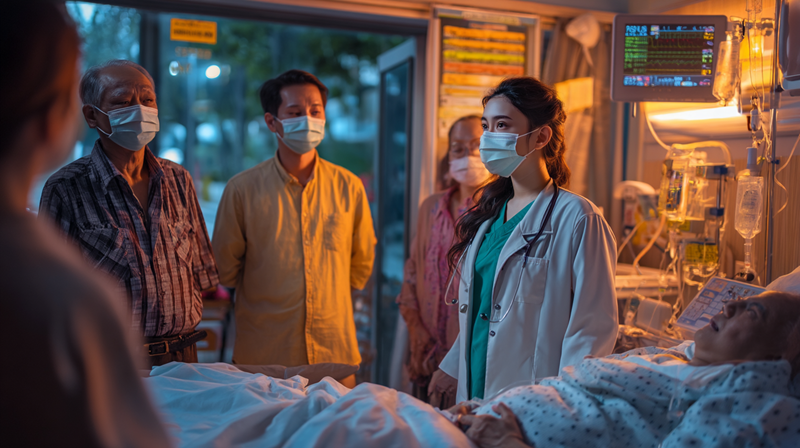
In medicine, we rely on data.
But behind every guideline or resistance rate is a moment of hesitation—
a decision made without certainty.
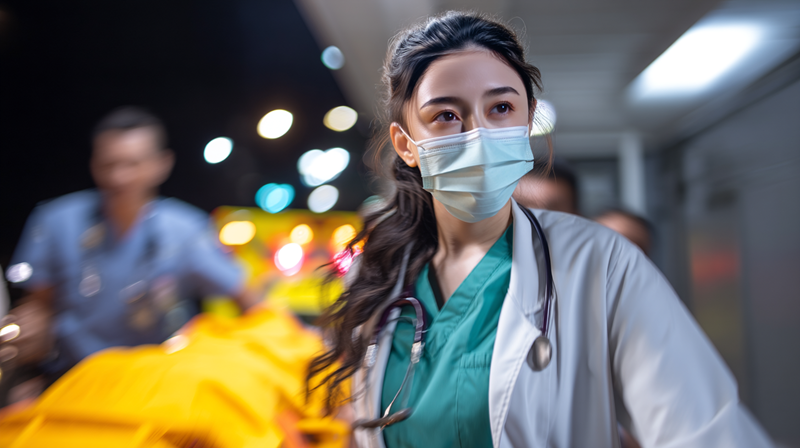
As a physician, I often feel caught between what should work and what might not.
This project came from a simple question I kept asking myself:
If this crisis is invisible to most people, how can it be felt rather than explained?
That is why I chose the language of cinema instead of education.
Not to teach, but to allow space for reflection.
為什麼要說這個故事?
醫療需要數據,這無可避免。
但在每一條指引、每一個數字背後,
其實都藏著一個沒有把握的瞬間。
身為醫師,我經常站在「理論上應該有效」
與「現實中可能失敗」之間。
這個作品源自一個反覆浮現的疑問:
如果這場危機無法被直觀看見,它是否能被感受到?
因此我選擇用電影語言,而不是教學語言。
不是為了告訴觀眾該怎麼做,
而是邀請他們停下來,與這個問題共處片刻。
Using AI as part of the process
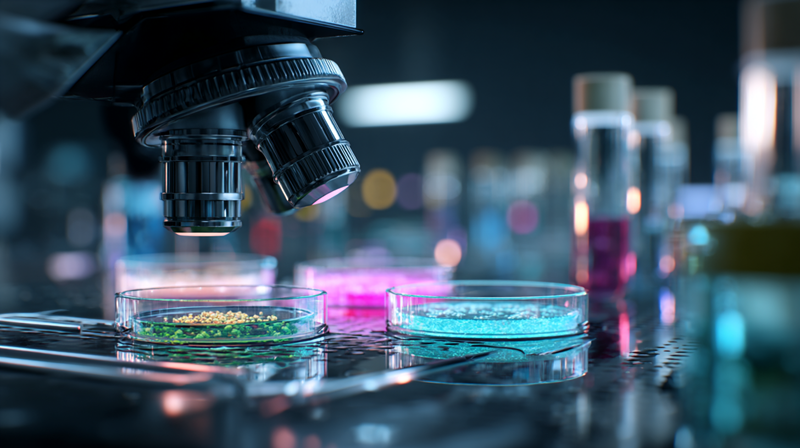
AI was part of this project, but it was never the subject.
I used AI to explore images I could not otherwise reach—
to test moods, symbols, and visual metaphors.
But every image was selected, adjusted, and placed with intention.
The process was slow and selective.
At every step, human judgment mattered more than generation speed.
AI 在創作中的角色
AI 確實參與了這個作品,
但它從來不是主角。
對我而言,AI 是一種探索工具——
用來嘗試不同的情緒、隱喻與視覺語言。
真正的創作發生在「選擇」的過程中。
哪些畫面留下,哪些被捨棄,
順序如何排列、節奏如何呼吸,
這些都來自人的判斷,而非演算法。
Visual tone and intention
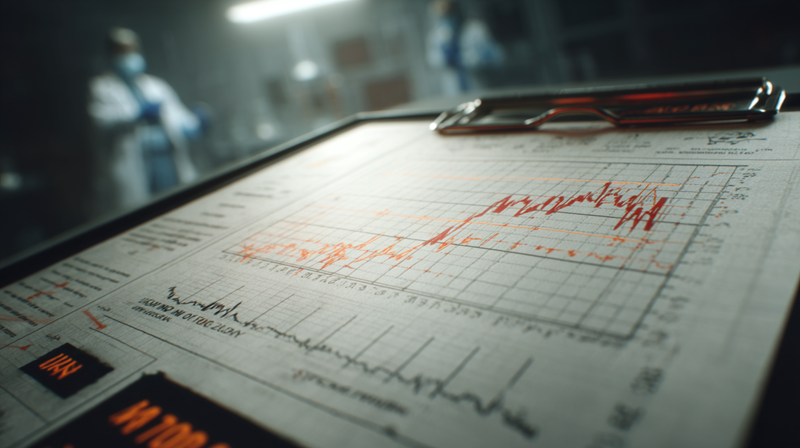
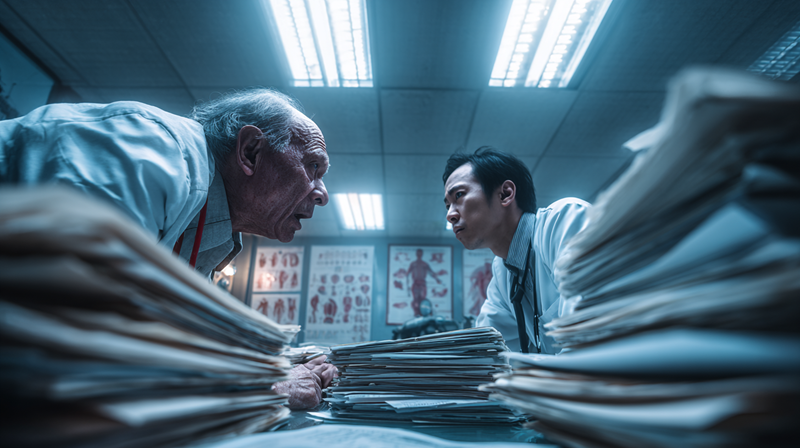
Visually, this film does not avoid intensity.
Instead, it translates conflicts that are invisible in everyday clinical practice
into a cinematic visual narrative.
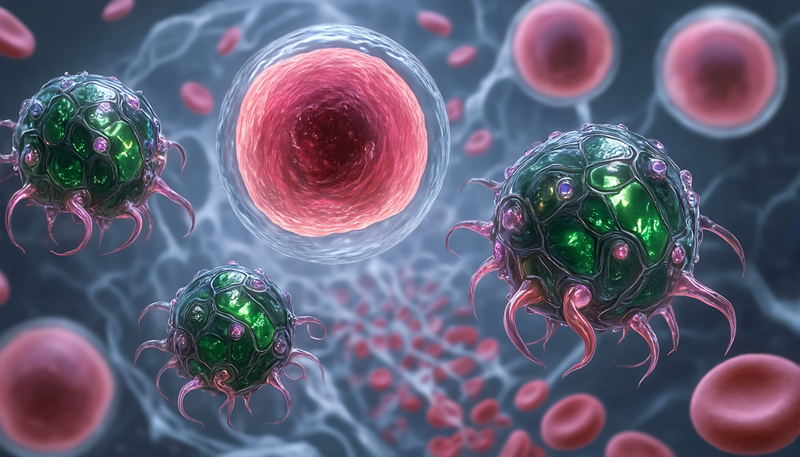
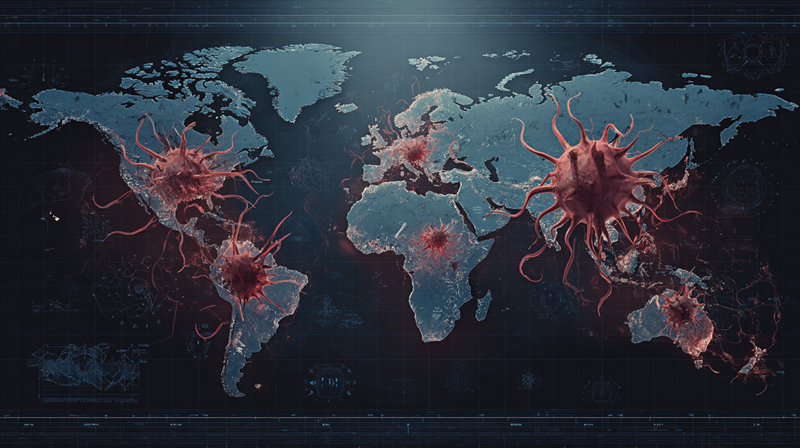
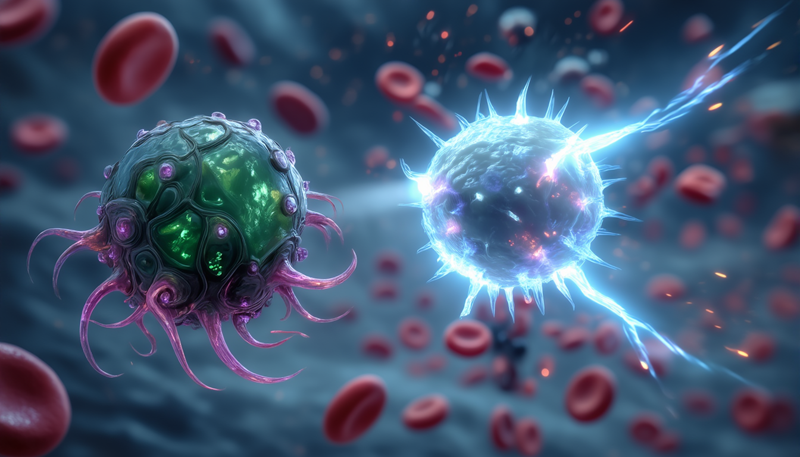
Bacteria are rendered as monstrous entities,
and the microscopic world is expanded into a battlefield—
where white blood cells, pathogens, and pharmaceutical agents collide in carefully constructed sequences of rhythm and emotion.
These images are not science fiction. They represent processes that unfold inside patients’ bodies every day, yet remain unseen.
This approach is not meant to exaggerate the crisis,
but to allow viewers to perceive the pressure and uncertainty behind medical decision-making.
When medication is portrayed as a force that arms white blood cells,
it functions both as visual metaphor and clinical reality—
a reminder that every treatment is a calculated risk made within limited options.
視覺語言的選擇
這部作品並未刻意壓低視覺張力,
相反地,我選擇將醫療現場中肉眼不可見的衝突,
轉化為一場具有電影感的視覺敘事。
影片中的細菌被具象化為怪物般的存在,
顯微鏡下的世界被放大成戰場——
白血球、病原體與藥物之間的交鋒,被重新編排成一段段具備節奏與情緒的畫面。
這些畫面,並不是科幻想像,而是每天在病人體內真實發生、卻無法被看見的過程。
這樣的處理,並不是為了誇飾危機,
而是試圖讓觀者「看見」醫療決策背後所承受的壓力與不確定性。
當藥物被描繪成武裝白血球的力量,
那既是一種視覺隱喻,也是臨床現實的延伸——
每一次治療,其實都是一次在有限資源中進行的賭注。

Reflection
Working on this film reminded me that
technology does not create meaning—attention does.
AI expanded the visual possibilities,
but the story came from lived experience and concern.
The Superbug Crisis does not offer solutions.
It offers a pause.
創作反思
這個作品再次提醒我:
真正賦予作品意義的,不是工具,而是觀看的方式。
AI 打開了影像的可能性,
但故事本身來自現場、來自困惑、來自人。
《抗藥危機》沒有答案。
它只是留下一個停頓的空間。

Closing note
This film is part of an ongoing exploration—
of how technology can support thoughtful storytelling
without replacing human perspective.
結語
這部作品是我持續創作的一部分,
關於科技如何成為敘事的輔助,而不是主導。
未來,我會繼續記錄這些過程與思考。
Related Work
The Superbug Crisis
AI Film · 2025